Nifty Chronicles

Market Overview & Analysis

Part 5 · 2014–2016

Devaluation, Demonetization & the Turn

Three quiet years that kept contradicting consensus: a landslide election that barely moved the index, a China-led global sell-off that made 2015 the worst year in years, and a single policy shock in November 2016 that crashed the market — then quietly fuelled one of its great rallies.

2014 & 2019Election

The Expected Wins: When Markets Yawn at Elections

In May 2014 a BJP victory was widely expected — and the Nifty rose only about 1% on result day. In 2019 the BJP won 303 seats, again as predicted, and the Nifty rose just 0.5–1%. Contrast that with 2004's -30% crash and 2009's +20% rally.

Identical-sounding events, opposite reactions. The control-group experiment completes the lesson of the era: the market moves on surprise, not on results.
August 2015Crash / Geopolitical

China Devalues; Nifty's Worst Year Since Lehman

In August 2015 China devalued the yuan, sending world markets into a gap-down. India fell roughly 20% before bottoming — making 2015 the worst year since Lehman and only its second red yearly candle in years. During the slide, reports again pointed to LIC stepping in around the 6,000 zone; the Nifty jumped 250–300 points in a session, and that low was never revisited.

It was the first China-contagion crash — the ancestor of every 'China risk' headline since.

2013–16Policy

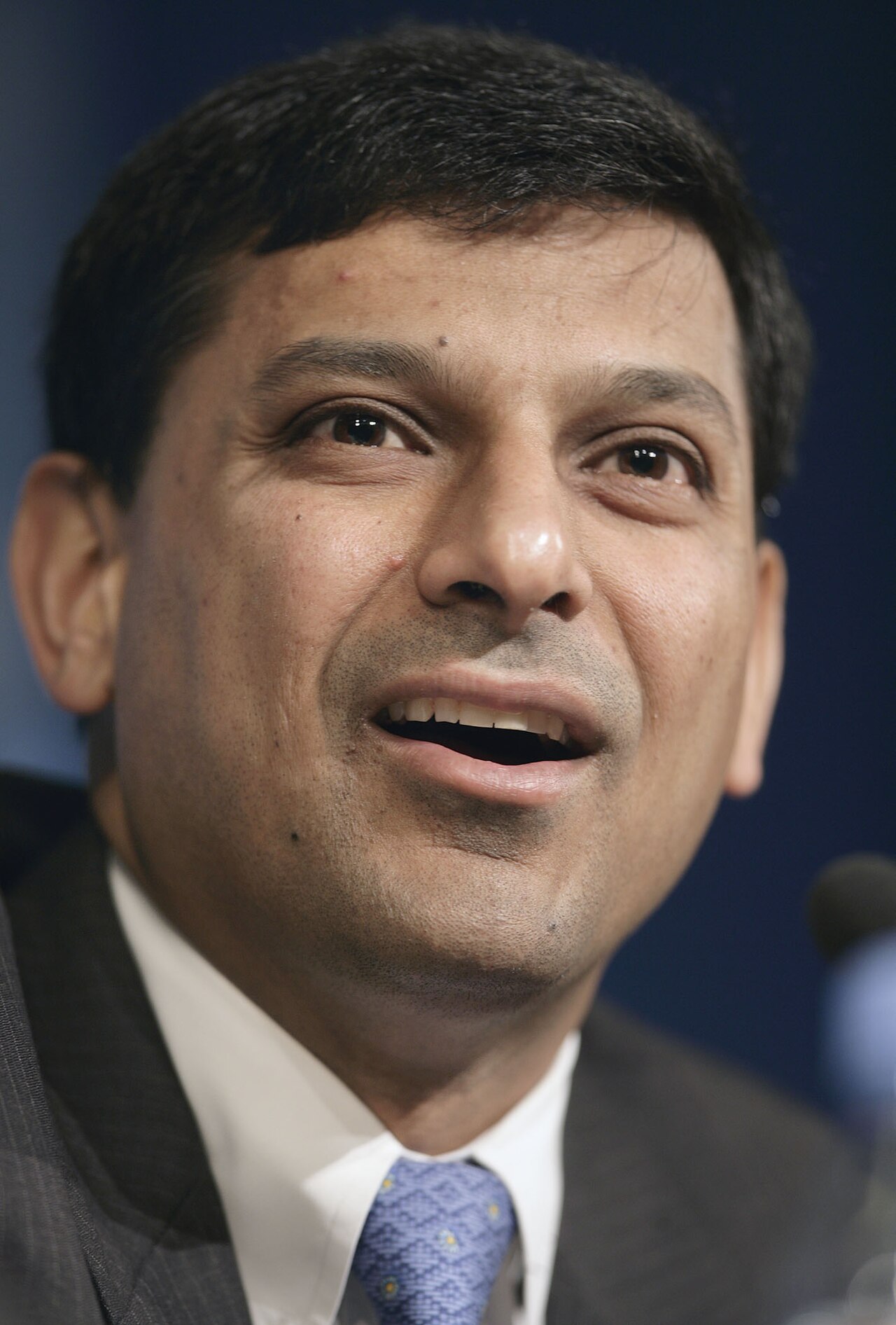
Raghuram Rajan's Surprise Rate Cut: 'Don't Fight the RBI'

When the market widely expected Raghuram Rajan to cut rates, he did not — and markets fell. Days later, outside any policy meeting, he cut rates unexpectedly and the market shot up. Asked about the logic, he offered the line that would become Indian trading's most-quoted rule: 'Don't fight the RBI.'

Small in points, enormous in lesson — the textbook case of a central-bank surprise.

RBI Governor Raghuram Rajan
RBI Governor Raghuram Rajan, who taught Indian traders 'Don't fight the RBI.' Image via Wikimedia Commons (IMF).
2015Corporate Shock / Recovery

The Maggi Ban: A Blue Chip Crashes, Then +400%

When Maggi noodles were banned over food-safety findings, Nestlé India's stock fell about 20% on the news. That was the entry for a contra bet: the stock later rallied roughly 400% from the low as the company reorganised and recovered.

It became the canonical 'bad news ≠ bad company' story — buying quality blue chips on a panic, not into a business in decline.

8 November 2016Policy / Geopolitical

Demonetization + Trump: The 'Double Crash'

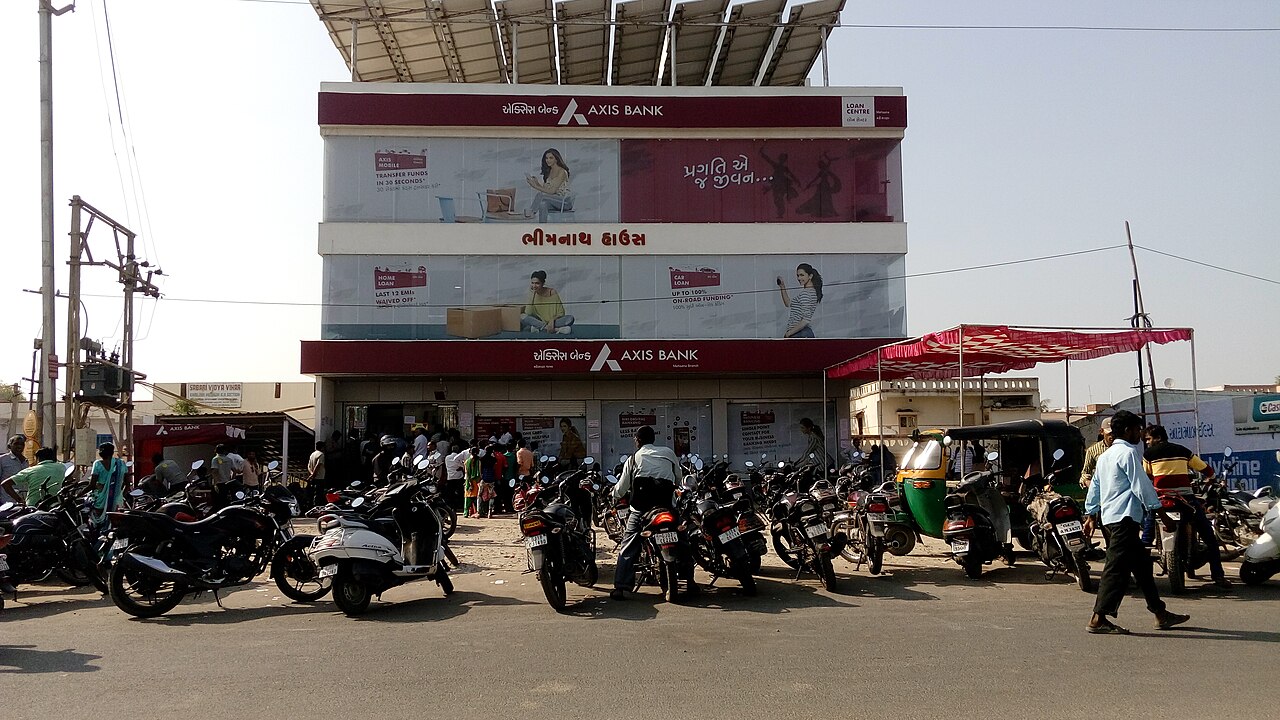
On a single November 2016 day the world absorbed two shocks at once: India announced demonetization, invalidating 86% of currency in circulation overnight, and Donald Trump won the US election. Global markets crashed, and India 'double-crashed'.

But the sequel was extraordinary. With black money pushed into the banking channel and from there into markets, the Nifty rallied from about 8,000 to beyond 11,000 over the next two years. The biggest policy shock of the decade fuelled one of its great rallies — a brutal reminder that surprises can work both ways.

Queue outside an Axis Bank branch during demonetisation
Long queues outside an Axis Bank branch in Gujarat after 8 November 2016, as Indians exchanged banned notes. Image via Wikimedia Commons (CC BY-SA 4.0).